Watch sizing is one of those things that sounds straightforward until you’re standing at the counter, a 44mm piece on your wrist, wondering if it looks ridiculous or just bold. The truth is, most people buy the wrong size the first time. Not because they have bad taste, but because they’re only looking at one number.
Case diameter is the measurement most brands lead with, and it’s the one you’ll see in listings. But it tells you maybe half the story. What actually determines how a watch sits on your wrist is a combination of three things: diameter, lug-to-lug distance, and case thickness. Understand all three and you can buy confidently, whether you’re in the store or shopping remotely.
Case Diameter: The Starting Point
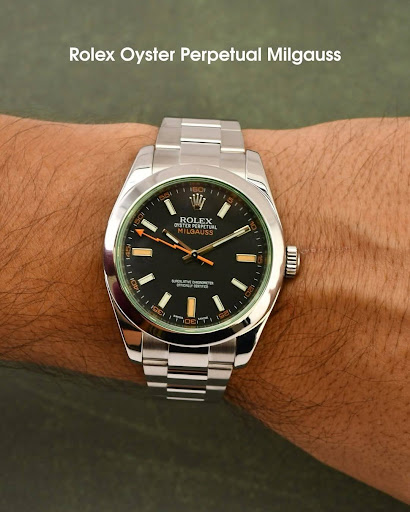
Diameter is measured in millimeters, crown excluded, straight across the middle of the case. Most watches today fall somewhere between 36mm and 44mm. Anything under 36mm tends to read as dress or vintage. Anything above 44mm is usually a sport or dive watch making a deliberate statement.
As a rough orientation, 38-40mm tends to work across a wide range of wrist sizes. 41-42mm is where a lot of the sport and everyday wear categories live. The 43-46mm range is genuinely large and works better on bigger wrists or for people who prefer a more pronounced look. These aren’t hard rules. A thin, flat 42mm case can look more modest than a chunky 38mm tool watch. Diameter is a starting point, not a conclusion.
Lug-to-Lug: The Number That Actually Matters
Lug-to-lug is the measurement from the top lug tip to the bottom lug tip, running along the vertical axis of the case. This is the number most buyers ignore, and it’s the one most likely to cause regret.
If the lug-to-lug distance is wider than your wrist, the lugs will hang off the edges. It doesn’t hurt. It just looks off, like you’re wearing someone else’s watch. Wrist widths vary a lot, but a useful general guide is that most people with a 6.5-inch wrist or smaller tend to be most comfortable with a lug-to-lug under 46mm. Wrists in the 7-inch range can usually wear up to 48-50mm without issue. Above that, the sky is more or less the limit, but the fit gets subjective quickly.
The practical problem is that lug-to-lug isn’t always listed on manufacturer spec sheets. You often have to look it up separately or ask. It’s worth doing. A 40mm watch with a 50mm lug-to-lug will fit worse on smaller wrists than a 42mm watch with a 46mm lug-to-lug. This comes up constantly in the pre-owned market, where spec sheets can be incomplete.
Case Thickness
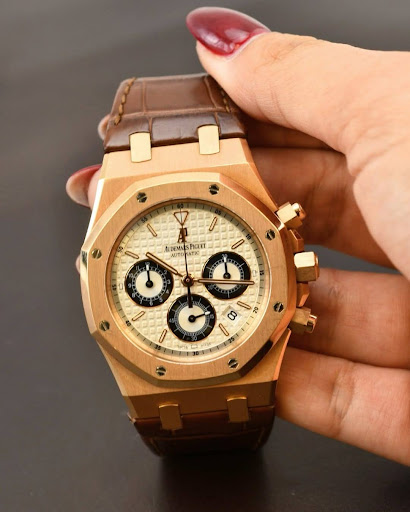
Thickness determines how the watch interacts with a shirt cuff and how it feels when you move your wrist. Dress watches are typically 7-9mm. Everyday sport and automatic watches sit in the 10-13mm range. A dive watch with a screw-down crown and a thick bezel can run 14-16mm.
Thickness is often where you feel a watch before you see it. A 12mm case that’s 44mm across will feel substantial but not extreme. A 15mm case at 42mm can feel like wearing a hockey puck. Neither is wrong depending on what you’re going for, but knowing the thickness before you buy saves you from surprises.
Strap and Bracelet Width
The lug width, sometimes called the strap width, is the measurement between the lugs where the bracelet or strap attaches. It’s where the band meets the case. Most watches run between 18mm and 22mm, with 20mm being the most common.
Why does this matter? Because it affects aftermarket options. If you want to swap in a different strap later, a 20mm lug width gives you the largest selection. Unusual widths like 19mm or 21mm narrow your options considerably. Not a dealbreaker, but worth knowing upfront.
How to Measure Your Wrist
Take a flexible measuring tape and wrap it around your wrist just below the wrist bone, where you’d wear the watch. If you don’t have one, a strip of paper works fine. Mark where it overlaps, then measure that length against a ruler.
A 6-inch wrist is on the smaller side. Six and a half is average. Seven inches and above gives you a lot more flexibility with larger cases. These are just reference points, not rules. Some people with 6.5-inch wrists love the look of a large watch. Some people with 7.5-inch wrists prefer something understated. The measurement is a starting point for trying things on, not a ceiling.
A Few Things Worth Knowing Before You Buy
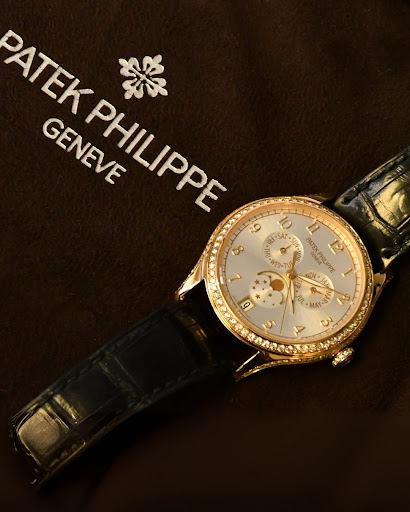
Polished cases read larger than brushed ones. A highly polished bezel reflects light in a way that draws attention. Brushed steel tends to be quieter visually, so the same watch can look different in photographs depending on the finish.
Dials affect perceived size too. A busy, dark-dialed watch with multiple subdials often reads as larger than it is. A clean, light dial with minimal text can make the same case look smaller. If you’re trying to find something that doesn’t dominate the wrist, a plain dial helps.
And if you can, try before you commit. Photographs don’t replicate the feel of a watch on your wrist. A 42mm watch that looks enormous in stock photos can sit perfectly well in person, and vice versa. That’s one reason we keep an active inventory at Jewels in Time rather than just a catalog. The difference between a watch that works and one that just looks good in photos is usually about 20 seconds on the wrist.
Looking for the right fit? Browse our full inventory at jewelsintime.com or visit us in Boca Raton. We’re happy to help you find something that actually fits.